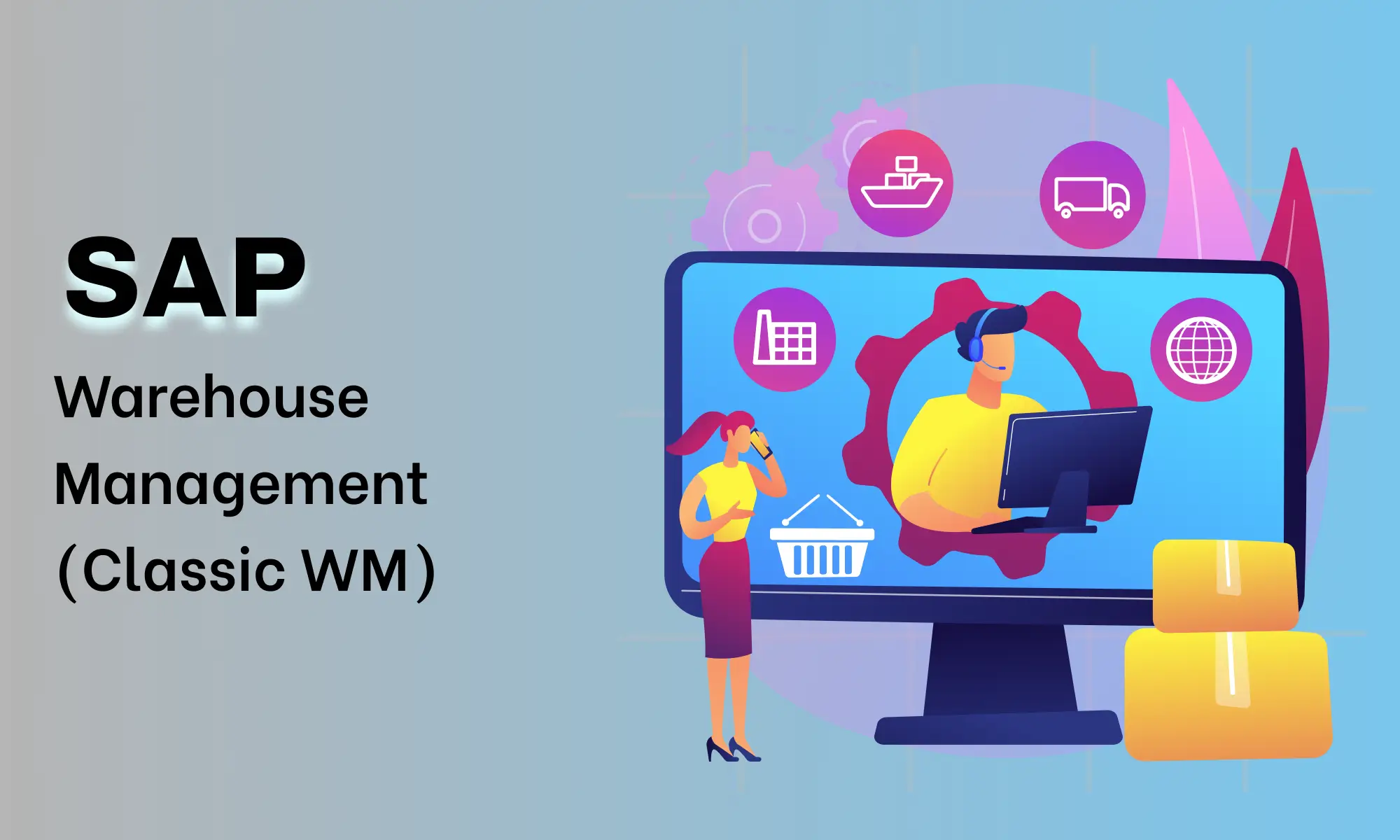
SAP Warehouse Management (Classic WM)
Course Duration:50 Hours
What You Will Learn & Objectives
- Warehouse Structure: Design the hierarchy from Warehouse Number to Storage Types and Bins.
- Stock Management: Manage stock at the "Bin Level" (exact location) rather than just "Storage Location".
- Goods Movements: Handle Goods Receipts (GR) and Goods Issues (GI) using Transfer Orders (TO).
- Control Strategies: Configure automatic Putaway (Searching space) and Picking (Finding stock) strategies.
- Internal Logistics: Manage internal stock transfers and posting changes (e.g., Quality to Unrestricted).
- RF & Barcoding: Basics of connecting Mobile Data Entry (RF) devices for scanning.
About Course
Streamline Logistics with SAP WM Training in Ahmedabad
Efficient warehousing is the heart of the Supply Chain. Gitakshmi Labs offers practical SAP WM Training in Ahmedabad for professionals who want to master logistics execution. While Inventory Management (MM) tells you how much stock you have, Warehouse Management (WM) tells you exactly where it is kept.
In this course, you will learn how to map a physical warehouse into the SAP system. We cover the end-to-end process of creating Transfer Requirements (TR) and converting them into Transfer Orders (TO) for stock movement. We also cover the crucial integration points with SAP MM and SD, which is a favorite interview topic in Ahmedabad’s manufacturing sector. Even with the rise of EWM, knowledge of Classic WM is essential for supporting existing SAP landscapes.
Course Curriculum
Introduction to Warehouse Management
- Difference between Inventory Management (IM) and WM
- The Warehouse Management Interface
- Enterprise Structure in WM
Master Data Configuration
- Defining Warehouse Number & Storage Types
- Storage Sections & Picking Areas
- Storage Bins: Structure, Types, and Creation
- Material Master (Warehouse Views)
Goods Receipt Process (Inbound)
- Purchase Order to Goods Receipt (IM)
- Creating Transfer Requirement (TR)
- Creating and Confirming Transfer Order (TO)
- Putaway Strategies (Next Empty Bin, Fixed Bin, etc.)
Goods Issue Process (Outbound)
- Sales Order to Delivery
- Picking Strategies (FIFO, LIFO, Stringent FIFO)
- Posting Goods Issue (PGI)
Stock Management & Internal Transfers
- Bin to Bin Transfer
- Posting Changes (Stock Status Change)
- Stock Replenishment (Fixed Bin)
Physical Inventory in WM
- Annual vs. Continuous Inventory
- Cycle Counting
- Clearing Differences in WM and IM
Integration & Special Topics
- Integration with MM (IM-WM Interface)
- Integration with SD (Delivery Processing)
- Introduction to Mobile Data Entry (RF Menu)
Requirements
- Ideal for Warehouse Supervisors, Store Keepers, and Logistics Coordinators.
- Essential for SAP MM Consultants to become "MM-WM Consultants".
- Basic understanding of Inventory processes is required.
Material Includes
- Configuration Bible: Complete step-by-step configuration notes for WM.
- Server Access: Practice defining bins and moving stock on our SAP server.
- Warehouse Maps: Real-life examples of warehouse blueprints used in projects.
- Interview Q&A: Specific questions on "IM vs WM" and "Strategies".
₹200
₹600 Discount 83% off
Benefits Obtained :
- Webinar Link
- Training Evaluation Test
- Completion Certification
SHARE :
Course related
The SAP S/4HANA Supplier Relationship Management (SRM) course is designed to help professionals manage procurement and supplier collaboration effectively in an intelligent enterprise setup.
This course focuses on digital procurement transformation using SAP SRM — from requisition to sourcing, contract management, and supplier evaluation. Participants will learn how to automate purchasing processes, manage vendor relationships, and drive cost efficiency through strategic sourcing.
With practical, real-time exercises, learners will gain the expertise needed to implement and manage SAP SRM solutions that optimize supply chain performance.
The SAP S/4HANA Production Planning (PP) course provides a detailed understanding of manufacturing processes and production management in SAP.
Learners will explore how to plan, execute, and monitor production using SAP’s integrated business platform.
This course helps you master the end-to-end flow of production, from material planning to final product delivery. With hands-on exercises, you’ll gain the confidence to configure production structures, run MRP, and manage order processing efficiently.
It’s ideal for manufacturing professionals, engineers, and consultants aiming to build or enhance their careers in production planning and control using SAP.
This AI & Automation program is designed to teach students how to build intelligent systems, automate business processes, and apply machine learning techniques to solve real-world problems.
You will learn modern AI tools, Python automation, model building, prompt engineering, and end-to-end workflow automation used across industries like IT, HR, Finance, Marketing, and Operations.
The course is suitable for beginners to advanced learners, including students, working professionals, and anyone looking to build a strong career in AI, Data, and Automation technologies.
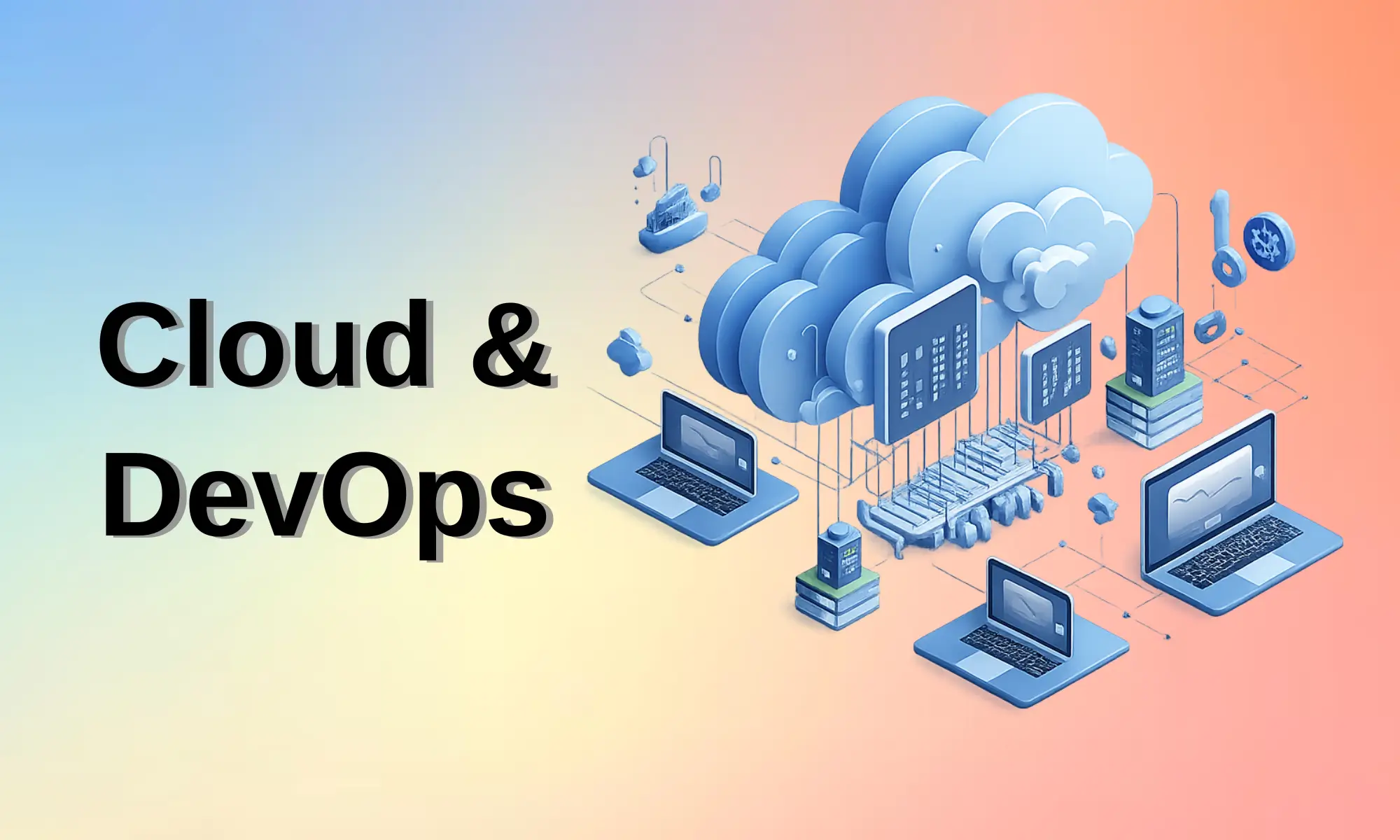
The Cloud & DevOps course teaches you how modern companies build, deploy, automate, monitor, and scale applications in the cloud.
You will learn AWS/Azure cloud services, DevOps automation, Docker, Kubernetes, CI/CD, Linux, and Terraform with complete hands-on implementations.
This course is designed for beginners, IT professionals, and developers who want to build a strong career in Cloud Computing, DevOps Engineering, and Automation.
You will create real-world pipelines, cloud architectures, deployments, and monitoring systems exactly like DevOps teams do in top tech companies.
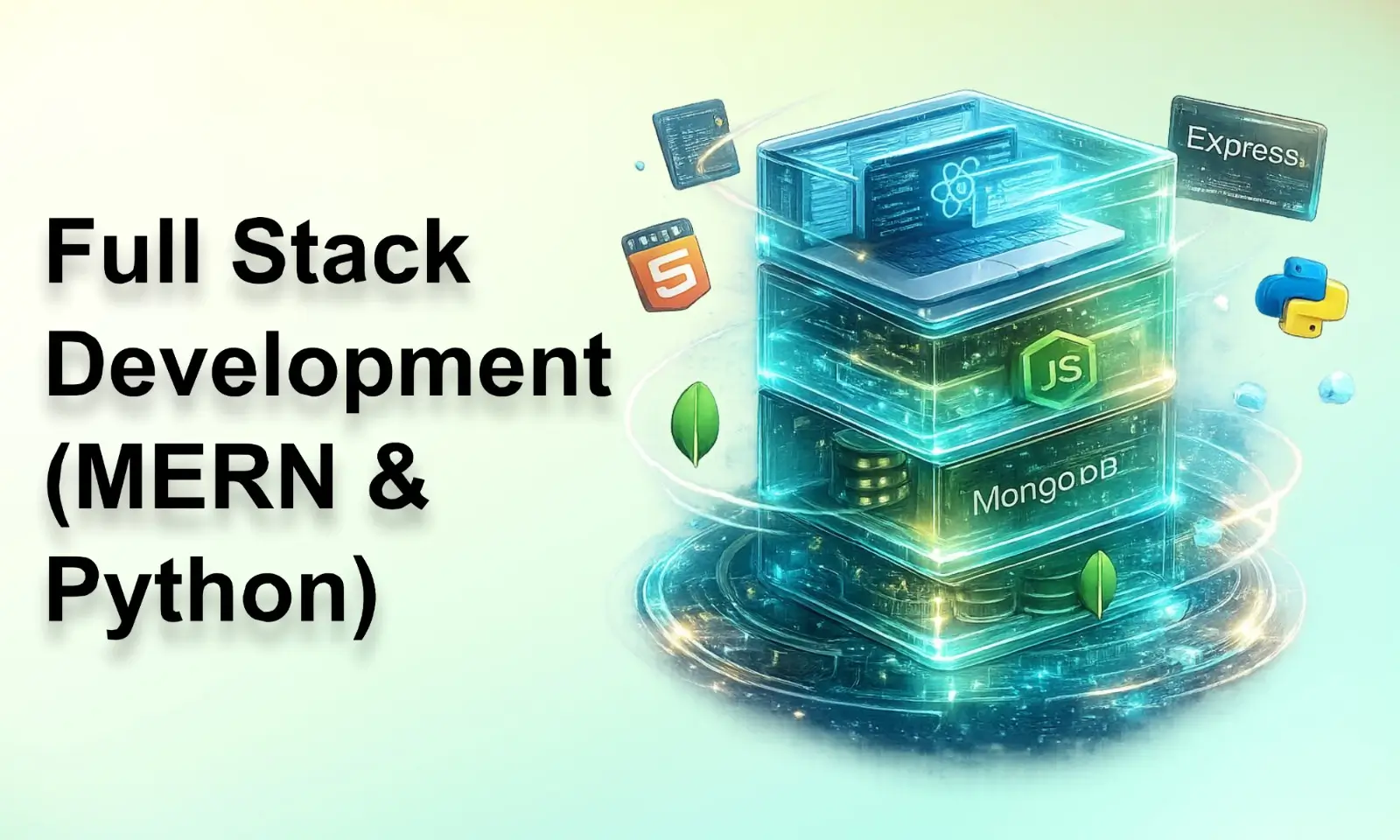
The Technical Integration with SAP ECC & S/4HANA course is designed for developers, technical consultants, and integration specialists who want to build real-time, secure, and scalable integration scenarios between SAP systems.
In this course, you will learn complete hands-on technical integration using tools like IDoc, BAPI, RFC, APIs, SAP PI/PO, CPI, and SLT. You will also understand how to integrate S/4HANA with external systems like CRM, Vendor Portals, Payment Gateways, and Cloud Applications.
This course is ideal for SAP Technical Consultants, ABAP Developers, Integration Engineers, and SAP Basis/Cloud professionals aiming to master modern SAP integration technologies.