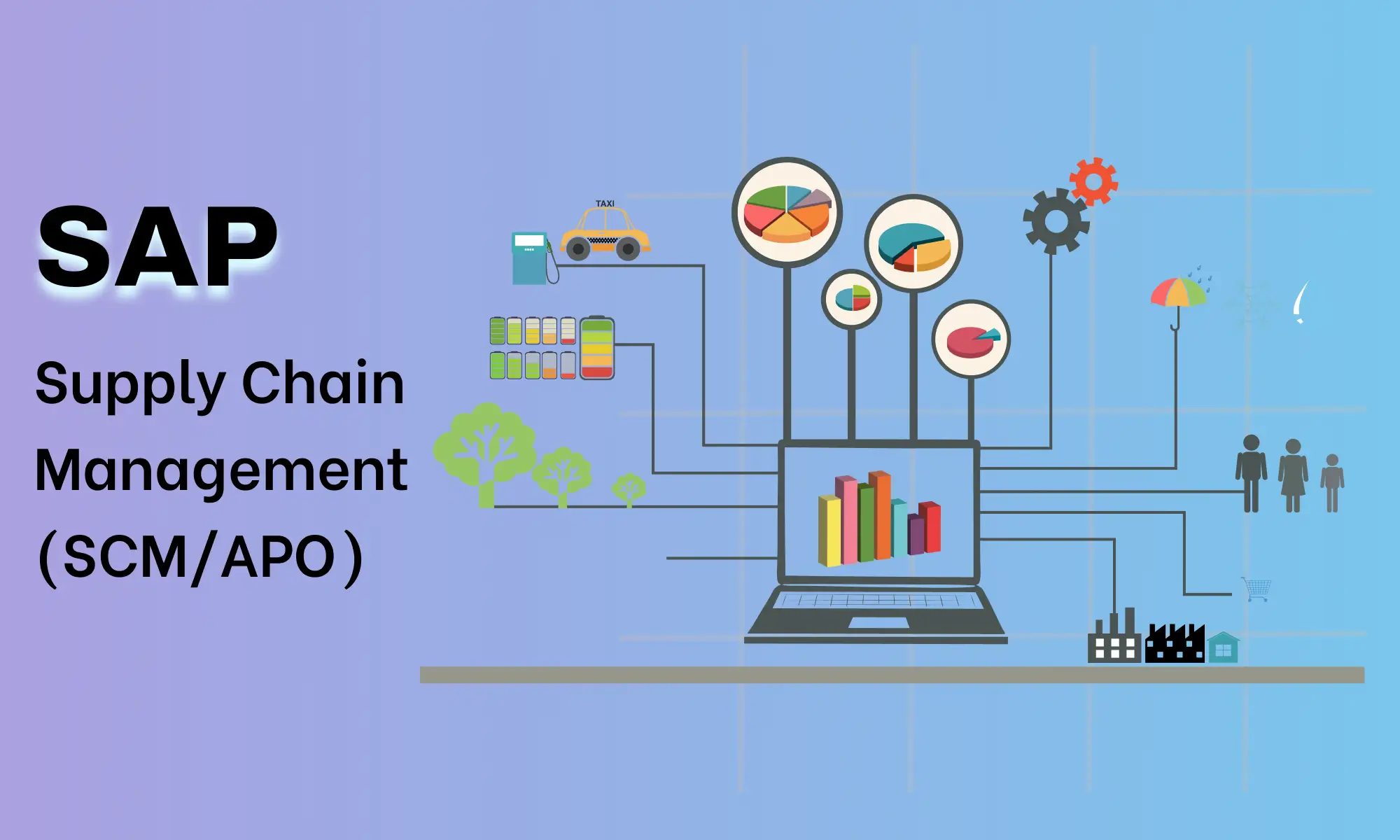
SAP Supply Chain Management (SCM/APO)
Course Duration:50 Hours
What You Will Learn & Objectives
- Supply Chain Strategy: Understand the complete flow from forecasting demand to delivering products.
- Demand Planning (DP): Learn to predict future sales using historical data and forecasting models.
- Supply Network Planning (SNP): Plan product flow across different locations (plants, warehouses) to meet demand.
- Production Planning (PP/DS): Optimize detailed production schedules to minimize downtime.
- Global ATP (GATP): Check product availability across the global network in real-time for customer orders.
- Core Interface (CIF): Configure the integration between SAP ERP (ECC/S4HANA) and SAP SCM system.
About Course
Optimize Business Flows with SAP SCM Training in Ahmedabad
In the competitive manufacturing hubs of Gujarat, managing the supply chain efficiently is the key to profit. Gitakshmi Labs offers specialized SAP SCM Training in Ahmedabad, focusing on Advanced Planning and Optimization (APO) and modern supply chain strategies.
While modules like MM and PP handle daily execution, SAP SCM handles Planning and Strategy. In this course, you will learn how to forecast market demand, plan inventory across global locations, and ensure timely delivery using Global Available-to-Promise (GATP). We also provide an introduction to SAP IBP (Integrated Business Planning), the future of SCM. Whether you are a Supply Chain Manager or an MBA graduate, this course will teach you how to reduce costs and increase efficiency using SAP tools.
Course Curriculum
Introduction to SAP SCM & Architecture
- Overview of Supply Chain Planning
- SCM vs. ERP: Understanding the difference
Overview of SAP APO (Advanced Planning & Optimization)
Core Interface (CIF) - Integration
- Connecting SAP ECC/S4HANA with SCM System
- Integration Models: Transferring Master Data & Transaction Data
- Monitoring and Error Handling in CIF
Demand Planning (DP)
- Planning Area, Planning Books, and Data Views
- Forecasting Models: Moving Average, Linear Regression
- Lifecycle Planning (New Product Launch)
Supply Network Planning (SNP)
- Heuristics vs. Optimization based planning
- Safety Stock Planning
- Deployment and Transport Load Builder (TLB)
Production Planning & Detailed Scheduling (PP/DS)
- Alert Monitor and Planning Board
- Capacity Leveling and Scheduling
- Heuristics in PP/DS
Global Available-to-Promise (GATP)
- Product Availability Check
- Rules-Based ATP (substituting location or product)
- Backorder Processing
Introduction to SAP IBP (Future of SCM)
- Overview of Integrated Business Planning (Cloud)
- Difference between APO and IBP
- Excel Interface for Planning (Fiori & Excel)
Requirements
Material Includes
₹200
₹600 Discount 83% off
Benefits Obtained :
- Webinar Link
- Training Evaluation Test
- Completion Certification
SHARE :
Course related
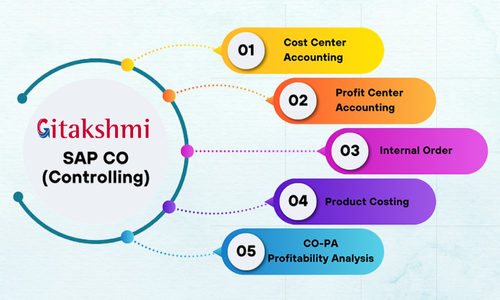
The SAP S/4HANA Controlling (CO) course provides a detailed understanding of how organizations plan, monitor, and control internal costs to ensure profitability and efficiency.
This course helps learners develop a strong foundation in management accounting and cost reporting, focusing on how SAP CO supports business decision-making by providing real-time financial insights.
With hands-on training, learners gain experience in configuring cost structures, defining cost elements, and analyzing profit margins.
It’s ideal for finance professionals, business analysts, and SAP consultants looking to specialize in internal cost management and performance analysis using SAP.
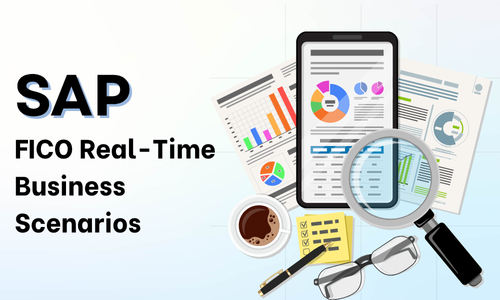
SAP FICO Real-Time Business Scenarios is designed for finance professionals and SAP consultants who want practical, hands-on experience with SAP S/4HANA. This course goes beyond theory and focuses on real-world processes like vendor invoice posting, customer billing, asset management, and cost control. You’ll learn how businesses use SAP FICO for accurate financial reporting and decision-making, with guided exercises in a live SAP environment.

The SAP S/4HANA Customer Relationship Management (CRM) course provides a complete understanding of managing customer-centric business processes across sales, service, and marketing.
This course enables learners to design and execute end-to-end CRM workflows — from lead generation and opportunity management to order fulfillment and after-sales service. You’ll also learn how to optimize customer engagement, loyalty, and experience through SAP’s integrated CRM tools.
It’s ideal for sales executives, marketing professionals, business analysts, and SAP functional consultants aiming to build expertise in customer lifecycle management and analytics using SAP S/4HANA.
The SAP Ariba Procurement Functional (P2P) course provides a complete understanding of how organizations manage their purchasing operations using SAP Ariba.
This course focuses on full-cycle P2P digital automation:
- Requisition creation
- Approvals
- Purchase orders
- Receiving goods/services
- Invoice posting
- Supplier collaboration
- Payment processing
The module is essential for procurement professionals, supply chain analysts, SAP functional consultants, and MBA students aiming to specialize in cloud procurement solutions.
The SAP Materials Management (MM) module is a core component of SAP ERP, designed to handle procurement and inventory functions in a company.
This course provides a comprehensive understanding of materials management, vendor evaluation, stock management, and logistics execution.
You’ll learn how to streamline purchasing processes, control inventory levels, and ensure cost-efficient supply chain operations.
Whether you’re a procurement professional, supply chain analyst, or fresher entering the SAP domain, this course will prepare you for both implementation and support roles in the MM module.
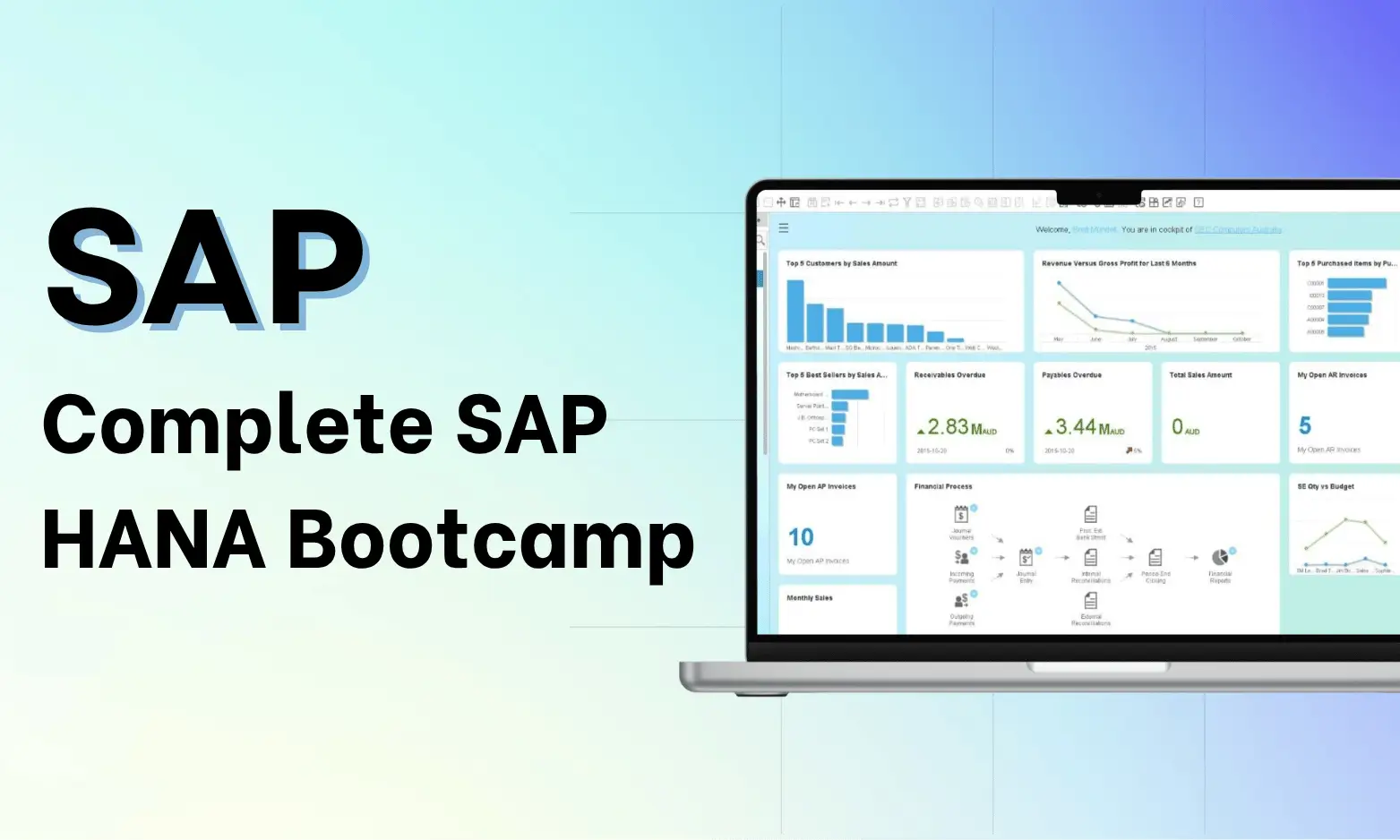
SAP HANA Bootcamp is designed for developers, data architects, and SAP consultants who want to master SAP’s in-memory database technology. This course covers everything from HANA fundamentals to advanced topics like CDS views, SQLScript, and integration with S/4HANA. With practical exercises and live system access, you’ll learn how to build high-performance applications and optimize data processing for modern SAP landscapes.