
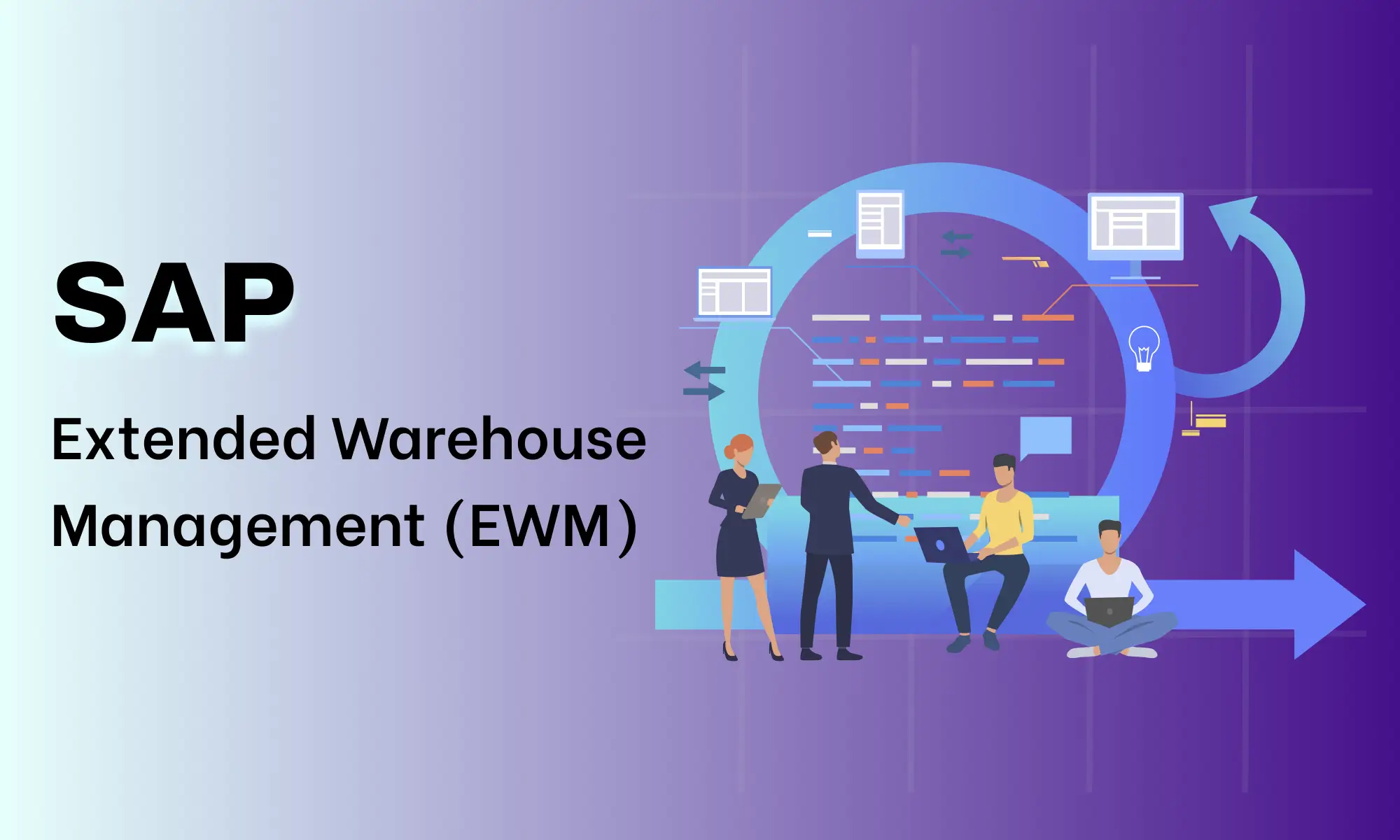
SAP Extended Warehouse Management (EWM)
Course Duration:50 Hours
What You Will Learn & Objectives
- Warehouse Structuring: Learn to map complex physical warehouse layouts into SAP EWM.
- Inbound & Outbound: Master end-to-end Goods Receipt and Goods Issue processes.
- Storage Control: Configure Process Oriented (POSC) and Layout Oriented (LOSC) storage controls.
- RF Framework: Hands-on expertise in Radio Frequency (RF) device configuration for paperless work.
- Value Added Services: Manage packing, oiling, and kitting operations within the warehouse.
- Integration: Integrate EWM efficiently with SAP MM, SD, and QM modules.
About Course
Advance Your Career with SAP EWM Training in Ahmedabad
Supply chain efficiency is the backbone of modern business. The SAP EWM Training in Ahmedabad offered by Gitakshmi Labs is designed to give you a competitive edge in the logistics industry. Unlike basic Warehouse Management (WM), EWM offers high-level flexibility and automation for high-volume warehouses.
In this course, we cover everything from Goods Receipt to Shipping, including advanced topics like Cross-docking, Wave Management, and Slotting. Whether you are a logistics manager or a fresher looking to enter the SAP domain, our curriculum is tailored to industry needs. Gitakshmi Labs ensures you get practical exposure to Radio Frequency (RF) scanning and Labor Management, making you the preferred candidate for top companies in Gujarat and beyond.
Course Curriculum
Introduction to SAP EWM
- Difference between SAP WM and SAP EWM
- EWM Deployment Options (Embedded vs. Decentralized)
- Warehouse Management Monitor
EWM Structural Elements & Master Data
- Defining Warehouse Number, Storage Types, and Sections
- Storage Bins and Quants
- Packaging Specifications & Supply Chain Units
Inbound Processing (Goods Receipt)
- Inbound Delivery Notification & Document
- Putaway Strategies and Rules
- Unloading and Deconsolidation
Outbound Processing (Goods Issue)
- Outbound Delivery Orders
- Stock Removal Strategies (FIFO, LIFO)
- Wave Management & Picking Logic
Storage Control (POSC & LOSC)
- Process Oriented Storage Control (Multi-step movements)
- Layout Oriented Storage Control (Intermediate stops)
Radio Frequency (RF) Framework
- RF Menu Configuration
- Barcode Scanning & Mobile Data Entry
- Resource Management
Physical Inventory (PI)
- Periodic & Continuous Physical Inventory
- Cycle Counting Methods
- Difference Analysis and Posting
Reporting & Integration
- Integration with Production (PP) and Quality (QM)
- Yard Management Basics
- EWM Analytics and KPIs
Requirements
- Best suited for Logistics Professionals, Supply Chain Managers, and Warehouse Supervisors.
- Knowledge of basic SAP MM or Logistics execution is helpful but not mandatory.
- Graduates seeking a specialized career in Supply Chain Technology.
Material Includes
- EWM Configuration Guide: Step-by-step PDF notes for complex setups.
- S/4HANA Server Access: Practice on the latest Embedded EWM version.
- Real-time Scenarios: Case studies based on Ahmedabad’s manufacturing industries.
- Certification Support: Guidance for SAP Certified Application Associate - SAP EWM.
₹200
₹600 Discount 83% off
Benefits Obtained :
- Webinar Link
- Training Evaluation Test
- Completion Certification
SHARE :
Course related
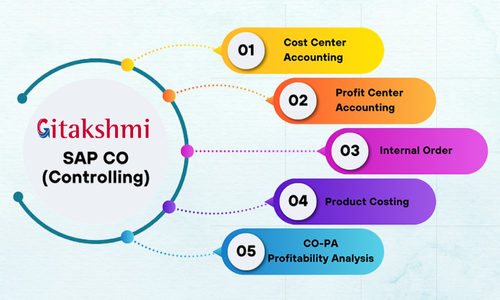
The SAP S/4HANA Controlling (CO) course provides a detailed understanding of how organizations plan, monitor, and control internal costs to ensure profitability and efficiency.
This course helps learners develop a strong foundation in management accounting and cost reporting, focusing on how SAP CO supports business decision-making by providing real-time financial insights.
With hands-on training, learners gain experience in configuring cost structures, defining cost elements, and analyzing profit margins.
It’s ideal for finance professionals, business analysts, and SAP consultants looking to specialize in internal cost management and performance analysis using SAP.
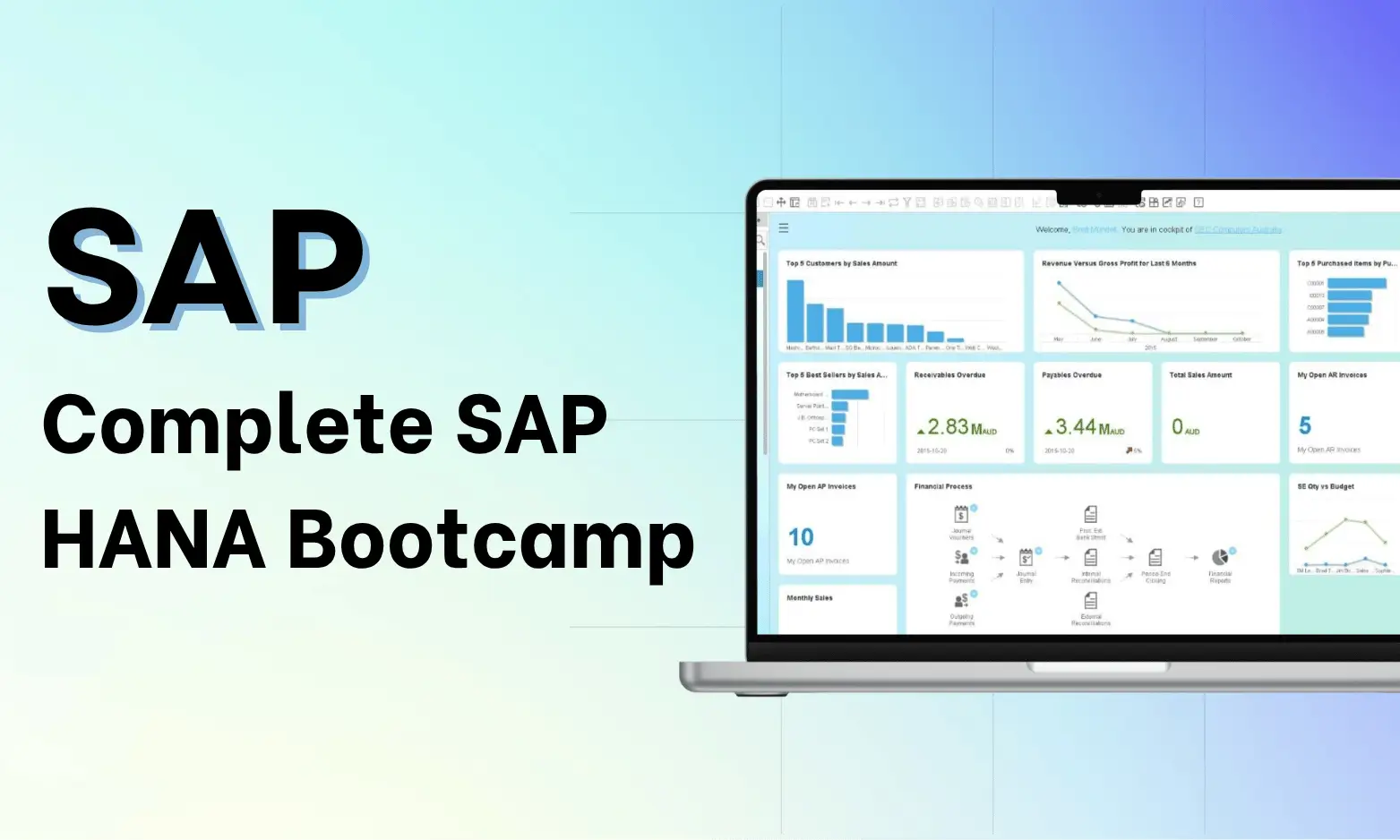
SAP HANA Bootcamp is designed for developers, data architects, and SAP consultants who want to master SAP’s in-memory database technology. This course covers everything from HANA fundamentals to advanced topics like CDS views, SQLScript, and integration with S/4HANA. With practical exercises and live system access, you’ll learn how to build high-performance applications and optimize data processing for modern SAP landscapes.
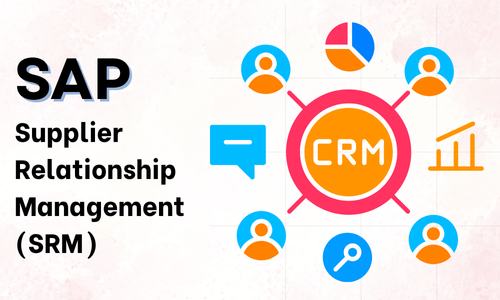
The SAP S/4HANA Supplier Relationship Management (SRM) course is designed to help professionals manage procurement and supplier collaboration effectively in an intelligent enterprise setup.
This course focuses on digital procurement transformation using SAP SRM — from requisition to sourcing, contract management, and supplier evaluation. Participants will learn how to automate purchasing processes, manage vendor relationships, and drive cost efficiency through strategic sourcing.
With practical, real-time exercises, learners will gain the expertise needed to implement and manage SAP SRM solutions that optimize supply chain performance.
The SAP S/4HANA Customer Relationship Management (CRM) course provides a complete understanding of managing customer-centric business processes across sales, service, and marketing.
This course enables learners to design and execute end-to-end CRM workflows — from lead generation and opportunity management to order fulfillment and after-sales service. You’ll also learn how to optimize customer engagement, loyalty, and experience through SAP’s integrated CRM tools.
It’s ideal for sales executives, marketing professionals, business analysts, and SAP functional consultants aiming to build expertise in customer lifecycle management and analytics using SAP S/4HANA.
This course equips learners with end-to-end skills required to collect, clean, analyze, visualize, and model data to solve real business problems. Students will work on practical datasets, create dashboards, build predictive models, and learn how to communicate insights clearly to stakeholders.
The Cloud & DevOps course teaches you how modern companies build, deploy, automate, monitor, and scale applications in the cloud.
You will learn AWS/Azure cloud services, DevOps automation, Docker, Kubernetes, CI/CD, Linux, and Terraform with complete hands-on implementations.
This course is designed for beginners, IT professionals, and developers who want to build a strong career in Cloud Computing, DevOps Engineering, and Automation.
You will create real-world pipelines, cloud architectures, deployments, and monitoring systems exactly like DevOps teams do in top tech companies.