
Cloud & DevOps
Course Duration:50 Hours
What You Will Learn & Objectives
- Understand Cloud Computing fundamentals and how cloud architecture works.
- Learn AWS / Azure core services including Compute, Storage, Networking & Databases.
- Master Linux & Shell Scripting for automation and server management.
- Learn CI/CD pipelines using Jenkins, GitHub Actions, and GitLab CI.
- Work with Docker & Kubernetes for containerization and orchestration.
- Understand Infrastructure as Code (IaC) using Terraform & CloudFormation.
- Automate deployments and cloud resources using DevOps tools.
- Monitor and secure cloud applications using logging, alerts, metrics & identity services.
- Build real-time DevOps pipelines for microservices & cloud-native applications.
- Prepare for Cloud & DevOps job roles with hands-on projects & industry workflows.
About Course
The Cloud & DevOps course teaches you how modern companies build, deploy, automate, monitor, and scale applications in the cloud.
You will learn AWS/Azure cloud services, DevOps automation, Docker, Kubernetes, CI/CD, Linux, and Terraform with complete hands-on implementations.
This course is designed for beginners, IT professionals, and developers who want to build a strong career in Cloud Computing, DevOps Engineering, and Automation.
You will create real-world pipelines, cloud architectures, deployments, and monitoring systems exactly like DevOps teams do in top tech companies.
Course Curriculum
Cloud Computing Foundations
- Cloud Basics: IaaS, PaaS, SaaS, regions, zones, cloud models.
- Virtualization & Containers: Hypervisors, images, scaling.
- Cloud Architecture Principles: Scalability, reliability, availability.
AWS / Azure Core Services
- Compute: EC2 / VM Instances, Autoscaling, Lambda Functions.
- Storage: S3 / Blob storage, lifecycle rules, access control.
- Networking: VPC, Subnets, Security Groups, Load Balancers.
- Databases: RDS / SQL DB, DynamoDB / Cosmos DB.
Linux & Shell Scripting
- Essential Commands: File management, permissions, users.
- Scripting: Automating tasks with bash scripts.
- Server Management: System control, logging, monitoring.
CI/CD Pipeline Implementation
- Jenkins: Jobs, pipelines, plugins, automation.
- GitHub Actions: Workflow automation, triggers, deployment.
- GitLab CI: Stages, runners, YAML pipelines.
- End-to-End CI/CD: Code → Build → Test → Deploy automation.
Docker & Containerization
- Docker Basics: Images, containers, Dockerfiles.
- Docker Compose: Multi-container apps.
- Container Optimization: Best practices & security.
- Pushing Images: DockerHub / ECR / ACR.
Kubernetes Orchestration
- K8s Basics: Pods, Deployments, ReplicaSets.
- Services: ClusterIP, NodePort, LoadBalancer.
- Ingress & ConfigMaps: Routing & configuration.
- K8s on Cloud: EKS / AKS clusters.
Infrastructure as Code (IaC)
- Terraform: Providers, modules, variables, apply/destroy.
- AWS CloudFormation: Templates & automation.
- Versioned Infrastructure: Git workflows for IaC.
- End-to-End Infrastructure Automation: Real case project.
Monitoring, Logging & Security
- Monitoring Tools: CloudWatch / Azure Monitor / Prometheus.
- Logging: ELK/EFK stack basics.
- Identity & Access Management: IAM roles, users, policies.
- Security Practices: Encryption, key management, network security.
DevOps Projects & Cloud Deployments
- Deploying microservices on cloud.
- CI/CD pipeline for Dockerized applications.
- Kubernetes production workflow.
- Terraform infrastructure setup.
- Monitoring dashboards & alerts.
Requirements
- Basic understanding of computer operations.
- No prior cloud or DevOps experience required (Beginner to Advanced).
- A laptop with at least 8GB RAM (recommended 16GB for Docker/K8s).
- Stable internet connection for cloud labs & deployments.
- Basic command-line knowledge (learned inside the course).
Material Includes
- Cloud & DevOps Project Files (CI/CD, Docker, Terraform, Kubernetes).
- DevOps Cheat Sheets (Linux, Git, Jenkins, K8s, Terraform, AWS/Azure).
- Cloud Architecture Templates (VPC, EC2, Load Balancer diagrams).
- E-books on Cloud, DevOps, CI/CD & Infrastructure as Code.
- Access to our exclusive DevOps Community.
- Interview Preparation Toolkit (Cloud, DevOps, Linux, Terraform Q&A).
- Monitoring & Deployment Templates for real-time practice.
- GitHub Portfolio Projects to showcase your cloud/DevOps skills.
₹200
₹600 Discount 83% off
Benefits Obtained :
- Webinar Link
- Training Evaluation Test
- Completion Certification
SHARE :
Course related
The SAP S/4HANA Production Planning (PP) course provides a detailed understanding of manufacturing processes and production management in SAP.
Learners will explore how to plan, execute, and monitor production using SAP’s integrated business platform.
This course helps you master the end-to-end flow of production, from material planning to final product delivery. With hands-on exercises, you’ll gain the confidence to configure production structures, run MRP, and manage order processing efficiently.
It’s ideal for manufacturing professionals, engineers, and consultants aiming to build or enhance their careers in production planning and control using SAP.

This Graphic Designing course teaches you how to create visual content for brands, businesses, and online platforms.
You will learn Photoshop, Illustrator, InDesign, Canva, color theory, typography, layout design, creative thinking, and branding — all through practical, real-time projects.
This program is ideal for beginners, students, freelancers, and professionals who want to start a creative career in Graphic Design or elevate their design skills.
By the end of the course, you will be able to design logos, posters, ads, brochures, social media creatives, brand identity kits, and a portfolio that can get you hired.
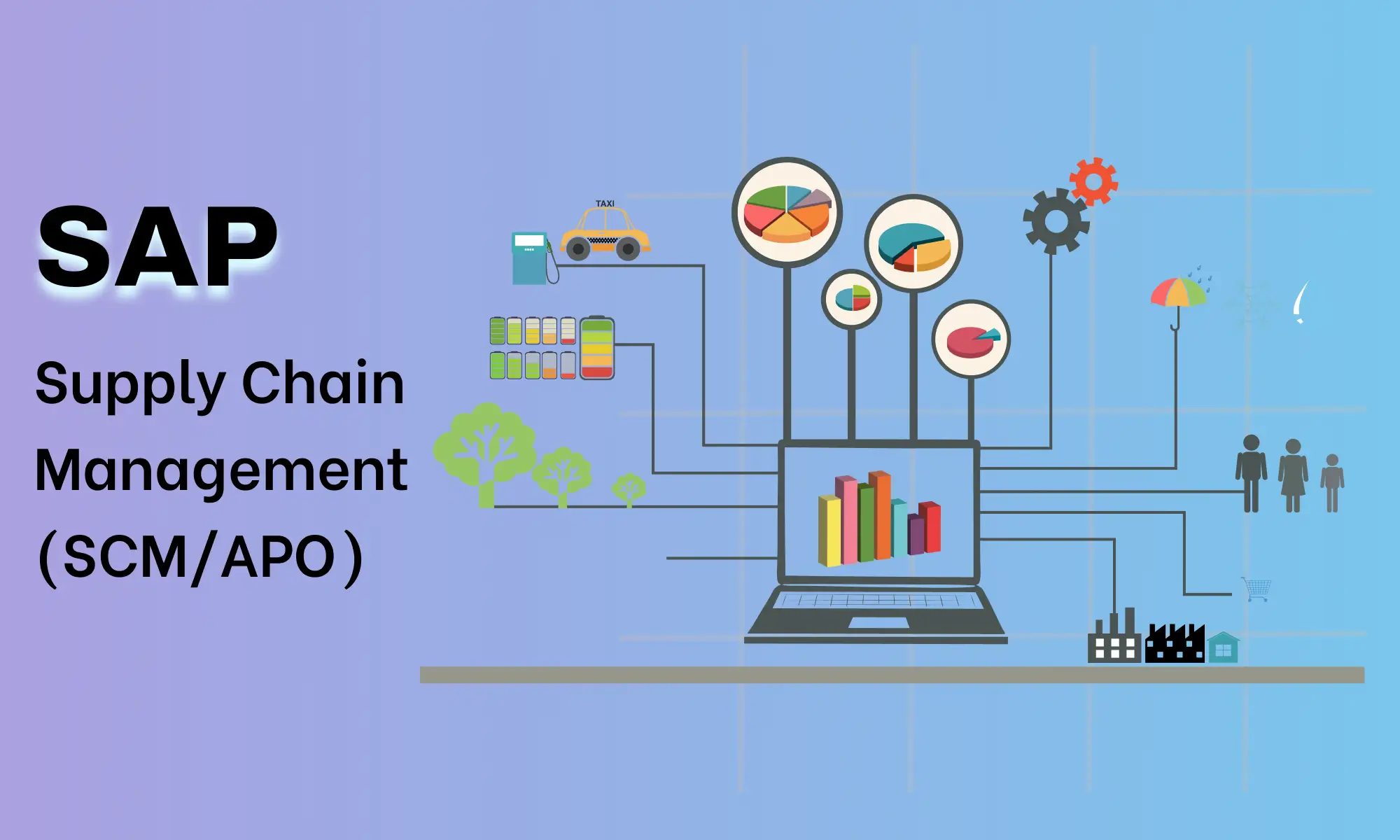
Optimize Business Flows with SAP SCM Training in Ahmedabad
In the competitive manufacturing hubs of Gujarat, managing the supply chain efficiently is the key to profit. Gitakshmi Labs offers specialized SAP SCM Training in Ahmedabad, focusing on Advanced Planning and Optimization (APO) and modern supply chain strategies.
While modules like MM and PP handle daily execution, SAP SCM handles Planning and Strategy. In this course, you will learn how to forecast market demand, plan inventory across global locations, and ensure timely delivery using Global Available-to-Promise (GATP). We also provide an introduction to SAP IBP (Integrated Business Planning), the future of SCM. Whether you are a Supply Chain Manager or an MBA graduate, this course will teach you how to reduce costs and increase efficiency using SAP tools.
Future-Proof Your Career with SAP BTP Training in Ahmedabad
The world of SAP is moving to the Cloud, and SAP Business Technology Platform (BTP) is the foundation of this change. Gitakshmi Labs offers the first comprehensive SAP BTP Training in Ahmedabad, designed for developers who want to stay relevant in the era of S/4HANA and Cloud ERP.
Gone are the days of simple ABAP coding. Today, companies need Side-by-Side Extensions and Cloud Apps. Our course covers the latest development models like CAP (Cloud Application Programming) and RAP (RESTful ABAP Programming). Whether you want to build Fiori apps, integrate systems, or automate processes, this course covers the entire BTP ecosystem. Join Gitakshmi Labs to become a certified SAP BTP Developer and grab high-paying opportunities in Gujarat and abroad.
The SAP S/4HANA Human Capital Management (HCM) course focuses on empowering HR professionals and consultants with practical knowledge of managing human resources digitally through SAP.
This program covers everything from employee lifecycle management to payroll, time tracking, and organizational planning within SAP S/4HANA. Participants will gain a deep understanding of how HR processes align with business operations, supported by real-time analytics and integrations.
Through practical exercises and case-based learning, learners will master the tools needed to streamline HR operations, enhance employee experience, and improve business efficiency.
Master Data Analytics with SAP BI/BW Training in Ahmedabad
In today’s business world, “Data is the New Oil.” Companies need to analyze their past performance to plan for the future. The SAP BI/BW Training in Ahmedabad at Gitakshmi Labs is designed to turn you into a Data Warehousing Expert.
SAP BW (Business Warehouse) is the backend engine where data from Sales, HR, and Finance is stored and analyzed. Our course covers the complete lifecycle: from Data Modeling to Extraction (ETL) and finally Reporting. Unlike standard courses, we also cover BW on HANA concepts, which is the latest technology used by top MNCs. Whether you are a SQL developer or an SAP fresher, Gitakshmi Labs provides the best practical environment to start your career in Analytics in Gujarat.